Suitcase Latitude: Tailoring for a Wedding in a Warmer Climate

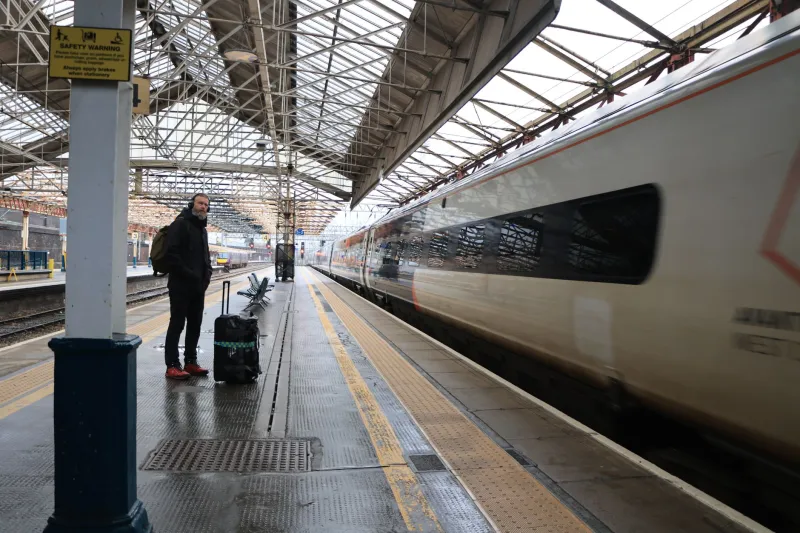
Photo: David Purchase , CC BY-SA 2.0, via Wikimedia Commons
An invitation to a wedding overseas arrives with two dress codes: the one printed on the card and the one written in the forecast. For the British guest, the temptation is to transplant the Home Counties wardrobe wholesale — the mid-weight worsted, the waistcoat, the black Oxfords — and trust that the sun will be forgiving. It rarely is. The better approach is suitcase discipline: a small, deliberate wardrobe that respects the occasion, survives the journey and leaves room for a linen shirt or two.
Read the Code Before You Read the Weather
Dress codes travel poorly. A host who writes lounge suit for a ceremony in Puglia may mean a lightweight suit and an open collar; the same words in a Scottish hotel would mean something darker and more structured. Before packing, establish what the couple actually expects. The wedding website, the invitation insert and a brief email to the best man will usually settle it. Where the code has been translated for a warmer climate, take the spirit rather than the letter: tailoring, certainly, but not the heaviest version of it.
Be wary of improvising too far in the other direction. Shorts, sandals and an unstructured shirt may suit a beach reception, but they are not a substitute for a suit at the ceremony unless the couple has said so plainly. The British guest who under-dresses in the name of local colour is still under-dressed.
Cloth That Earns Its Airfare
The first decision is cloth, because everything else follows from it. A high-twist worsted — the sort woven for tropical use — is the safest ally: it resists creasing, breathes well and recovers overnight. Fresco and mohair blends offer similar virtues with a drier, more open hand. Linen is cooler still, but pure linen creases with enthusiasm; a wool-linen-silk blend or a linen-cotton mix keeps the texture while imposing a little discipline.
Weight matters more than fibre name. For a daytime ceremony in southern Europe, a jacket of roughly 250 to 280 grams is sensible; anything above 300 grams begins to feel like a portable sauna. Half-lining and a soft, unstructured shoulder reduce heat without collapsing the line. Colour should be considered rather than merely conventional: navy, mid-grey, stone and olive all behave well in strong light, while black absorbs heat and can look funereal against pale stone and bright bougainvillea.
The Jacket and Trouser Partnership
A single suit is usually enough, provided it is the right suit. Navy in a high-twist cloth will carry the ceremony, the photographs and the evening reception without complaint. If you prefer more range, take one jacket and two pairs of trousers: a navy blazer with matching navy trousers for the wedding itself, and a pair of stone or pale grey trousers for the following day. This is not the moment for a three-piece. A waistcoat adds heat, bulk and one more thing to press.
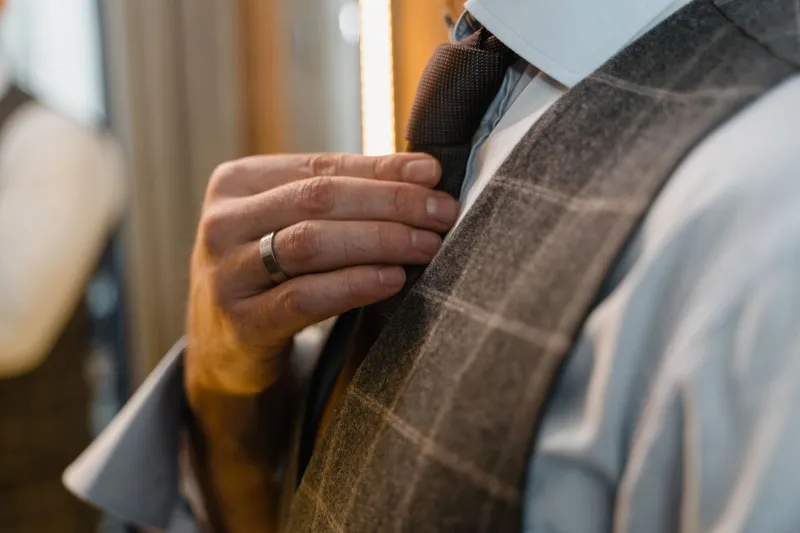
Shirts should be long-sleeved and breathable: cotton poplin, linen-cotton or a light oxford. Two is enough — one white, one pale blue — with a third only if the trip runs beyond the wedding. A knitted silk tie packs flat and looks deliberate with an open collar later; a pocket square in linen or cotton is a small, useful flourish that does not mind being crushed.
Folding, Rolling and the Long Flight
Packing is where good cloth is won or lost. Turn the jacket inside out, support the shoulders with tissue or a folded shirt, and place it flat at the top of the case. Trousers should be folded along the crease with tissue between the layers, not rolled into a cylinder. Shoes belong in bags at the bottom, with lightweight shoe trees inside if space allows.
If the airline allows, carry the jacket rather than check it. On arrival, hang it immediately in the bathroom while a hot shower runs; the steam will lift most travel creases. Hotel pressing is worth the modest charge, but ask for a light press rather than a hard finish. Do not apply a travel iron directly to wool or linen — use a damp cloth, and keep the iron moving.
Footwear on Foreign Ground
One pair of smart shoes is usually sufficient, but it must be the right pair. A leather sole is elegant and wholly unsuited to gravel, grass and hot paving. A rubber or Dainite sole in dark brown or oxblood will handle a garden ceremony and still look correct at dinner. Unlined suede loafers are a useful second pair if space permits: they pack light, breathe well and forgive the odd scuff. Break shoes in before travelling; a wedding is no place to discover a heel that rubs.
Socks should be cotton lisle rather than thick wool. Take more than you think you need, and leave the novelty pairs at home.
What to Leave at Home
Leave the heavy flannel, the tweed, the overcoat and the spare waistcoat. Leave the third suit, the extra ties and the stiff evening shirt unless the invitation explicitly calls for black tie. Leave the black Oxfords if the wedding is outdoors on soft ground. And leave the instinct to pack for every imagined contingency; a suitcase that opens easily is worth more than one that anticipates a weather event that will not occur.
The Day Itself
Arrive a day early where possible. It gives the cloth time to recover, the shoes time to settle and the guest time to find a laundry or a steamer. On the day, keep the jacket on through the ceremony and photographs, then use the reception as permission to relax. Drink water before champagne. And resist the urge to remove the jacket before the couple has finished being photographed; the line of a suit is part of the occasion, not an inconvenience to be shed at the first opportunity.
Overseas weddings reward a lighter case and a clearer head. Take tailoring that can take the heat, pack it as though the journey matters, and let the dress code be translated by judgement rather than guesswork.