Winter Cloth, Considered: Flannel, Tweed and Velvet for Formal Occasions
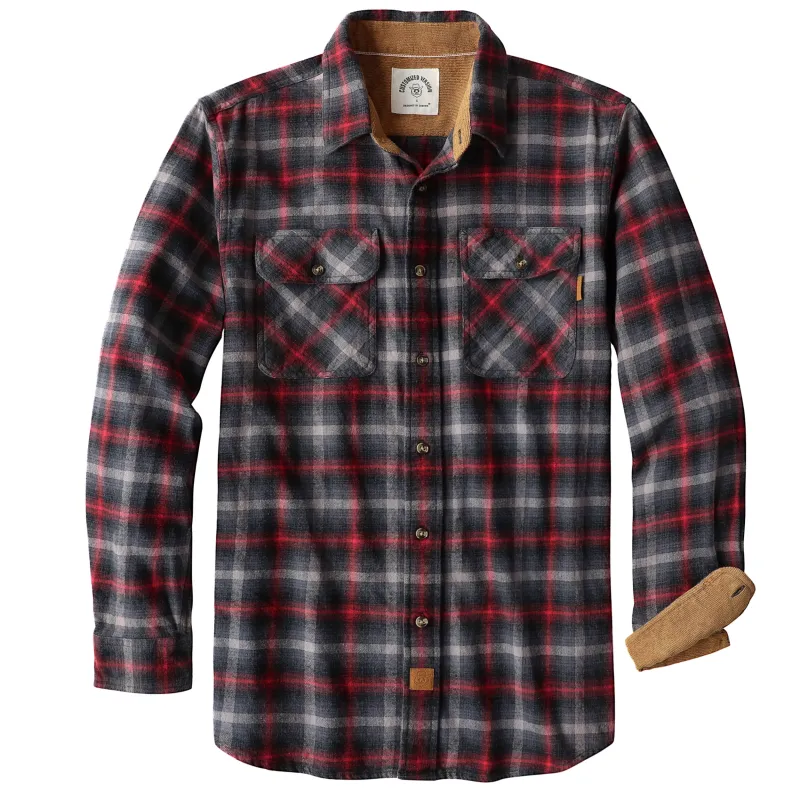
Photo: flannel tweed velvet fabric swatches tailoring, via i5.walmartimages.com
British winter formal dressing is not a single uniform. A December wedding in a draughty church, a city dinner, a country-house party and a Christmas drinks reception impose different demands. Cloth is the first signal: it determines warmth, drape and the amount of visual texture a man carries into the room. Flannel, tweed and velvet are the three useful cold-weather families, but each has a correct occasion and a point at which it becomes costume.
Flannel: The Quiet Workhorse
Flannel is the most versatile of the three. Worsted flannel has a clean, slightly muted surface; woollen flannel is softer, fuzzier and more casual. For suits, a weight of about 280 to 350 grams is practical for UK winter: warm enough for unheated churches and marquees, light enough for offices and restaurants. Grey and navy are the useful colours, with charcoal for evening-adjacent events and mid-grey for daytime weddings. Flannel works for winter weddings, formal dinners that are not black tie, and business dress in cold months. It does not replace black tie. Pair a flannel suit with a poplin or twill shirt, a matte wool or grenadine tie, and polished oxfords or derbies. Avoid adding a heavy textured tie and a checked shirt at the same time; flannel already supplies softness.
Tweed: Daytime, Country, Restraint
Tweed is a daytime cloth with a country accent. It suits a winter wedding in a village church, a lunch in the country, or a formal event where the invitation allows a jacket and trousers rather than a suit. Weights commonly run from 300 to 450 grams; Harris Tweed and similar cloths are dense and wind-resistant, which is useful in a British January. A tweed jacket in mid-grey, brown or deep green, worn with flannel trousers and a light blue shirt, is a reliable formula. The risk is theatricality: full tweed suits, plus-fours, waistcoats and aggressive checks can look like a costume. Keep to one textured element, choose a subdued pattern, and wear a wool tie rather than a silk one. Brogues or country derbies finish the look; avoid patent leather.
Velvet: Evening, With Discipline
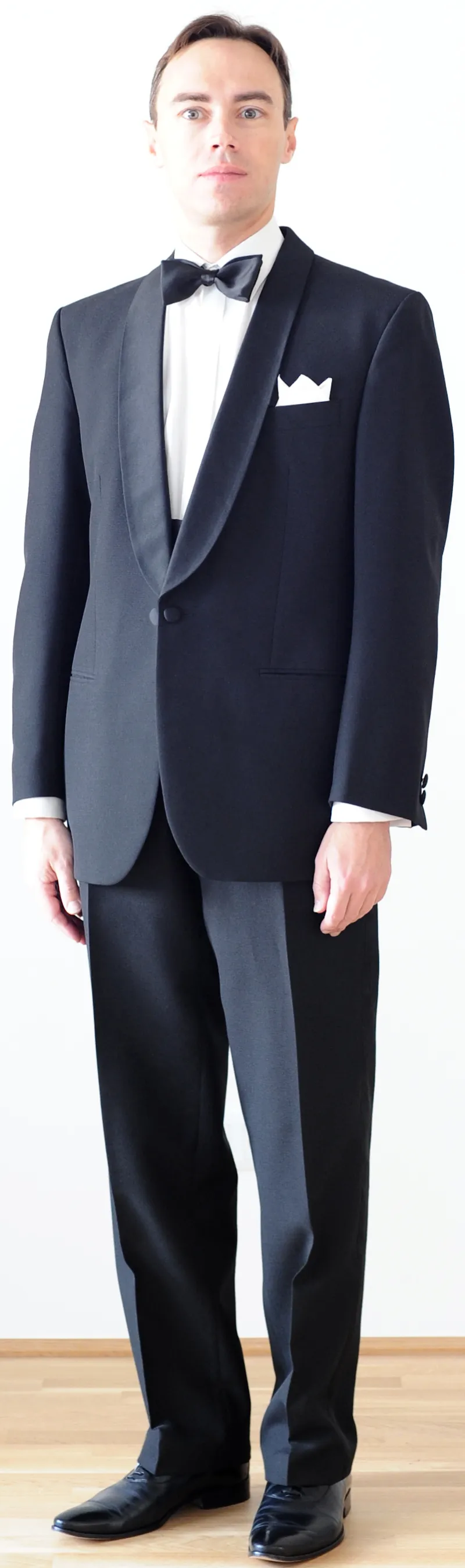
Velvet is an evening cloth. A velvet dinner jacket in black, midnight blue or deep burgundy is appropriate for Christmas parties, winter black-tie dinners and festive events where a little texture is welcome. It is not a daytime wedding fabric, and a full velvet suit in daylight often looks heavy. Weight matters: a cotton or silk velvet of about 280 to 350 grams holds shape without looking upholstered. Keep the rest of the outfit quiet: black trousers, a white or ivory shirt, a black bow tie, and polished shoes. Velvet slippers are traditional but should be reserved for the most formal evening settings. Avoid velvet jackets with contrasting lapels, elaborate embroidery or too many accessories; the cloth is the statement.
Weight, Texture and Proportion
The practical rule is to let one texture lead. Flannel is soft, tweed is rough, velvet is lustrous. A tweed jacket with a chambray shirt and a knitted tie is coherent; the same jacket with a silk tie and a pocket square can look fussy. In UK winter, indoor heating is as important as outdoor cold. A 400-gram tweed suit can be uncomfortable in a heated dining room, while a lightweight flannel may feel thin in a church. Consider the venue: marquees and old churches reward heavier cloth; city hotels and restaurants usually do not. Shirts should be smooth enough to contrast with the cloth: poplin, twill or a fine oxford. Ties in wool, madder or grenadine are safer than shiny silk with flannel or tweed.
A Winter Calendar
From October to November, flannel is the default for formal daywear and non-black-tie dinners. In December, velvet comes into its own for evening events, while flannel remains useful for daytime weddings and lunches. January and February favour tweed for country occasions and flannel for town. The point is not to collect fabrics but to match them to the room. A man in a grey flannel suit, a clean shirt and a dark tie will be correctly dressed for most British winter formal occasions. Tweed and velvet are additions, not replacements. Worn with restraint, they add depth to the season without turning the wearer into a period character.