Buy the Shoulders, Tailor the Rest: A Suit-Fitting Rule for UK Men
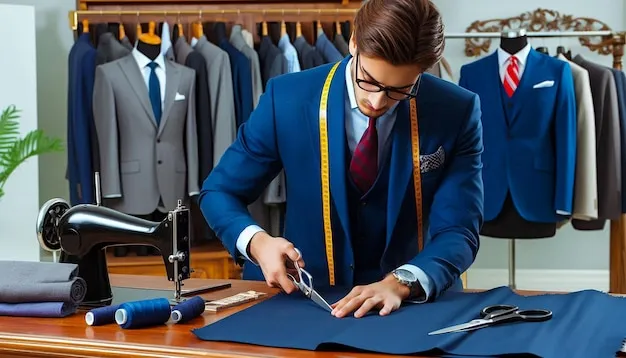
Photo: tailor measuring suit jacket shoulder fit men's alterations UK, via img.freepik.com
A suit is often described as a collection of measurements, but it behaves more like a structure. The chest, waist, sleeve and trouser leg can all be adjusted within limits, yet the shoulder seam sets the boundary for everything below it. If that seam is in the wrong place, the jacket will never hang quite correctly, however much is spent on alterations. This is the practical argument for fitting the jacket first and altering everything else.
The Shoulder Seam Is a Boundary, Not a Suggestion
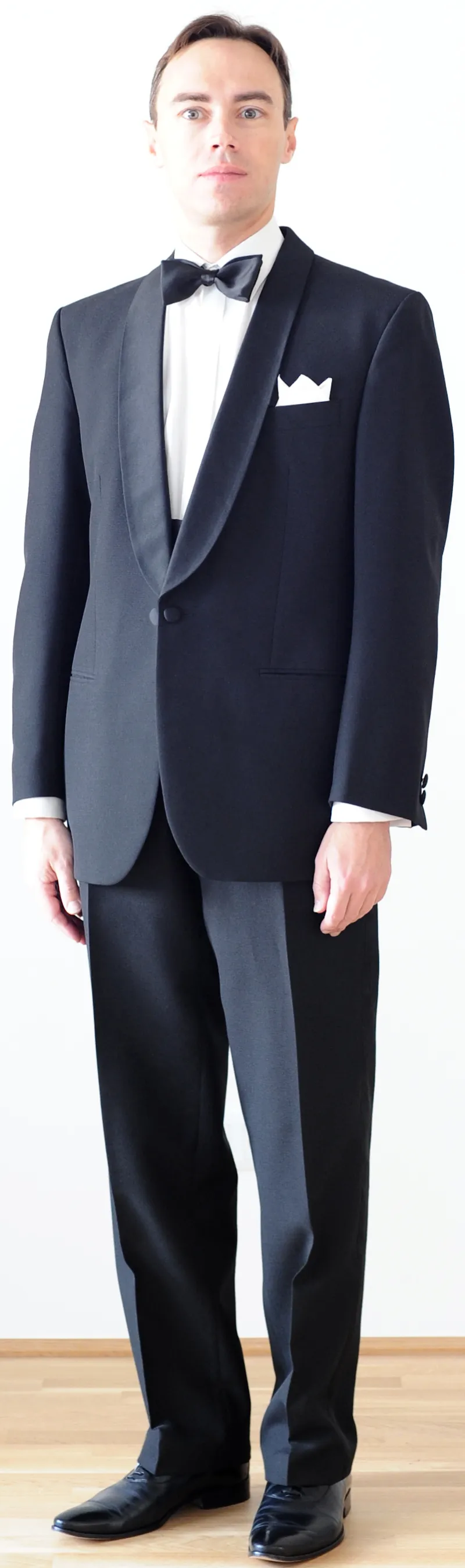
The shoulder seam should sit at the edge of the wearer's shoulder bone. When it does, the sleeve falls cleanly, the collar sits against the neck and the front of the jacket remains stable when the arm moves. When it does not, the symptoms are familiar: a divot beneath the seam, a collar that lifts away at the back, or a sleeve that hangs away from the arm. Padding can exaggerate the problem, particularly in jackets with a strong, structured shoulder.
A tailor can adjust a shoulder, but it is not a routine alteration. It may involve opening the sleeve head, reshaping the padding and resetting the seam, and the result is not guaranteed. On a ready-to-wear jacket, the cost and risk rarely justify the work. This is why the shoulder is the one area where the wearer should be strict. A jacket that is slightly full at the waist can be taken in; a jacket whose shoulder seam sits beyond the natural shoulder is a different proposition.
What the Shop Floor Shows
In a UK department store or high-street suit department, the same nominal size can behave very differently across labels. One 40 regular jacket may sit neatly on the shoulder, while another of the same marked size extends beyond it or pinches at the neck. The difference is not a conspiracy of sizing; it reflects different blocks, padding and shoulder shapes. The lesson is to ignore the label until the shoulder has been checked.
Shop-floor assistants often begin with sleeve length because it is easy to see and easy to alter. That is understandable, but it is the wrong order for the customer. Before the sleeves are pinned, stand with the jacket on and check the shoulder seam in a mirror. Raise an arm, turn sideways and look at the collar. If the shoulder is wrong, no amount of sleeve shortening will correct the overall line. A useful habit is to try the jacket with a proper shirt, because a casual shirt can hide a collar gap or make a good jacket look worse than it is.
The Alterations That Are Genuinely Straightforward
Once the shoulder is right, the alterations tailor has a reasonable field of action. Sleeve length is the most common adjustment, though working buttonholes make it more involved; a tailor may shorten from the cuff or from the shoulder depending on the construction. Waist suppression can clean up the back and sides of the jacket, provided the chest and button stance remain balanced. Trouser hem, taper and waist can be adjusted, and a seat can often be taken in.
Jacket length is more delicate. Shortening a jacket can disturb the balance of the pockets and the button stance, and lengthening is rarely possible because of the hem allowance. This is another reason to check the shoulder and overall length before committing. The alterations that work best are the ones that refine a jacket which already fits in principle. They should not be asked to rebuild its architecture.
Why Buying for the Shoulders Saves Money
A jacket that fits at the shoulder may need only a small amount of work: sleeves shortened, waist taken in, trousers hemmed. These are modest alterations that most UK tailors can complete without drama. A jacket that does not fit at the shoulder may require a return, a different size, a made-to-measure order or an expensive and uncertain reconstruction. The cheaper purchase is not the one with the lowest ticket price, but the one that needs the least structural correction.
This matters particularly for occasion dressing. A wedding suit or a business suit is often bought under time pressure, and the temptation is to accept a near fit because the colour is right or the price is reduced. The shoulder is the point at which that compromise becomes visible. If the jacket is too wide at the shoulder, the wearer looks as though he is borrowing it; if it is too narrow, the collar and chest will strain. Neither effect is solved by a better tie.
A Practical Fitting Sequence
Begin with the shirt you will wear most often and the shoes you intend to pair with the suit. Put the jacket on and check the shoulder seam first, then the collar, then the chest and button stance. Only after those points are settled should the sleeves be assessed. For trousers, check the waist and seat before the hem, because the hem is the easiest thing to change. If the shoulder is correct, ask the alterations tailor what he or she would adjust and what would be left alone.
Made-to-measure remains the sensible answer when the shoulder consistently falls outside the ready-to-wear range. It allows shoulder width, slope and padding to be specified, though it still requires fittings and a clear understanding of what the wearer wants. For most men, however, the rule is simpler: buy the shoulders, tailor the rest. It is less a slogan than a way of spending money where it will show.