Sale Rail, Cool Head: Judging Discounted Tailoring on Merit
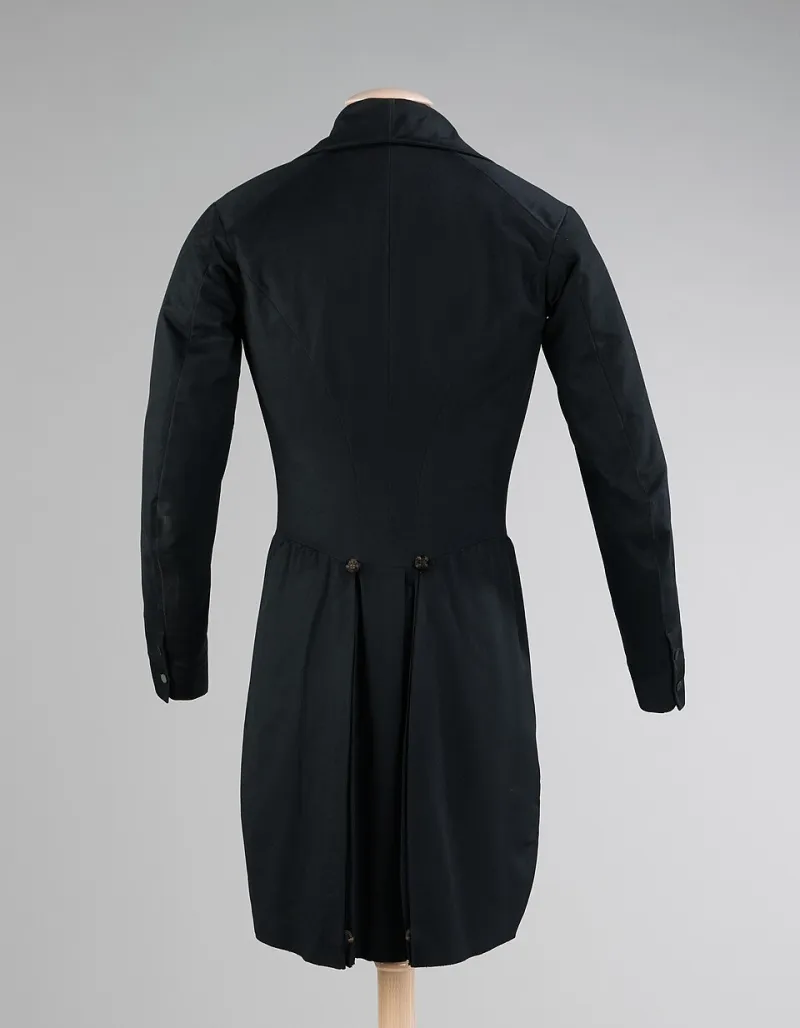
Photo: MET Museum, CC0, via Wikimedia Commons
January is the month in which many British men buy their next suit, drawn by reductions that appear to make a difficult decision easier. The discount, however, is the least reliable piece of information on the label. A suit is a structure before it is a price, and the same questions apply whether the ticket says £495 or £195. The sale rail rewards a cool head and a short checklist.
The Shoulder Is Non-Negotiable
Begin at the shoulder, because it is the one part of a jacket that cannot be economically remade. The seam should sit at the edge of your shoulder bone, neither dropping down the arm nor riding up towards the neck. Check that the padding, if present, follows the slope of your own shoulder rather than creating a shelf. A jacket that lifts or dimples at the collar when you move is telling you something the mirror may not: the balance is wrong, and no alteration will right it without rebuilding the garment.
Sale stock has usually been handled. Look along the shoulder line for creasing, shine or small pulls, and check the underarm for evidence of repeated try-ons. A jacket that has been on the rail since November will often show wear at the cuffs and collar before anywhere else.
Cloth and Lining Under the Shop Light
Shop lighting is designed to flatter. Take the jacket to a doorway or window and look at the cloth in daylight. Wool should have a dry, matte surface; a high synthetic content will often look flat or slightly metallic under natural light. Read the fibre label rather than the swing tag. A cloth that is mostly polyester may resist creasing, but it will not breathe in a warm room and will not age with the character that wool develops.
Turn the jacket inside out, or as far as the lining allows. A bemberg or cupro lining moves more quietly than polyester and is less likely to cling. Check the seam allowances in the back and underarm: generous allowances suggest a garment built with alteration in mind, while narrow ones limit your options. On sale stock, look for signs of end-of-line cloth — this is not a defect, but it does mean the suit cannot be matched later if a sleeve or trouser needs replacing.
The Trouser Allowance
Trousers are more forgiving than jackets, but only within limits. Check the hem: a deep inside turn-up gives a tailor room to lengthen as well as shorten. If the trousers have been shortened already, there may be nothing left to let down. The waistband should not be so tight that letting it out becomes necessary, and the seat should not pull. A tailor can take in a waist easily and taper a leg, but adding cloth to a seat is a far more serious job.
Confirm the rise sits where you expect. A low rise on a suit intended for formal occasions will look unsettled beneath a waistcoat or with a jacket buttoned. If the trousers are unfinished, that is an advantage: you can have them hemmed to your own break rather than inheriting someone else's.
The Alteration Reckoning
This is where many sale bargains quietly evaporate. In the UK, shortening sleeves typically costs £25–£40, taking in a jacket waist £20–£35, hemming trousers £12–£20 and tapering a leg £25–£40. If the discount is £100 and the alterations come to £90, you have bought a suit that fits moderately well for very little saving. If the discount is £200 and the alterations are £60, the arithmetic is more favourable.
Ask for a written alteration estimate before you pay. A good alterations tailor will tell you what the garment can and cannot take. Be cautious of a sale suit that needs both shoulder work and a shortened jacket length; the cost will often exceed the value of the reduction.
High Street, Outlet and Online
High-street sale stock is not always the same garment that sat on the rail in autumn. Some lines are made specifically for sale, with a lower grade of cloth or a fused rather than canvassed front. Check the label and the hand of the cloth. Outlet centres often carry previous-season stock, which can represent genuine value if the fit is right, but the same checks apply. Do not assume that an outlet label guarantees a higher grade than the high street.
Online sale purchases carry a further consideration. Under UK distance-selling rules you normally have fourteen days to return an item, but once you have had it altered, the right to return it is generally lost. Try the suit on at home, in daylight, with the shoes you intend to wear, before any stitching is undone. Check the returns policy for sale items specifically; some retailers treat reduced goods differently from full-price stock.
A Closing Word
A sale suit is worth buying when it fits at the shoulder, holds its shape in daylight and leaves enough cloth for modest adjustments. The reduction is a bonus, not a reason. If the garment fails the first test, the second and third will not rescue it. Walk away, and let the discount do its talking to someone else.