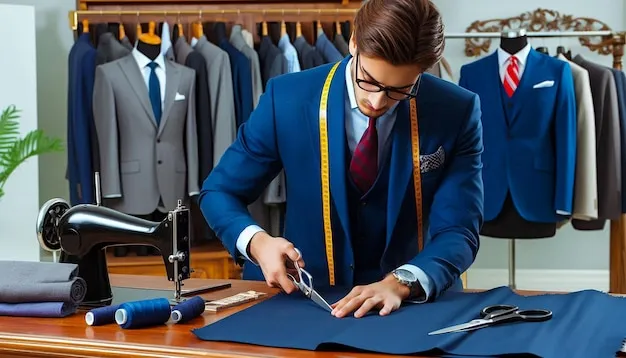
Three Suits, Twelve Months: A Capsule Wardrobe for the British Calendar
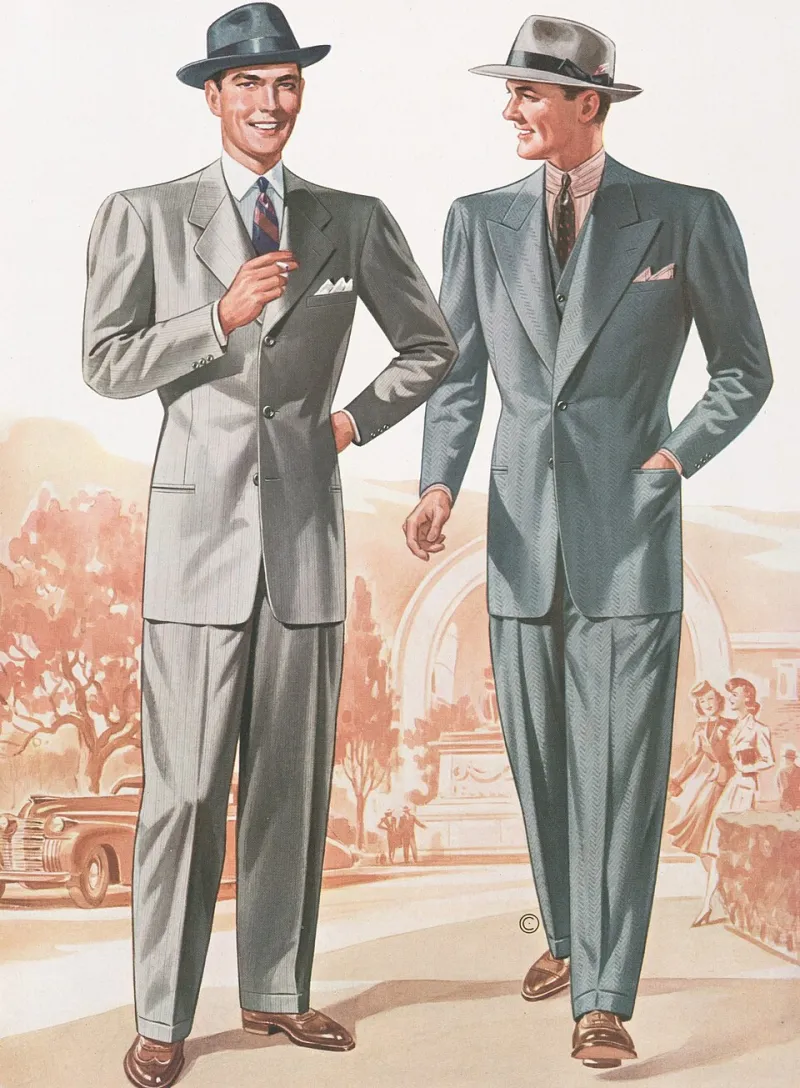
Photo: Unknown authorUnknown author, CC0, via Wikimedia Commons
The British formal calendar rarely moves in a straight line. January opens with interviews and meetings; spring brings the first wedding invitations; a funeral can arrive without warning in July; December adds drinks, dinners and the annual office party. The temptation is to answer each occasion with another purchase. A more disciplined approach is to build a rotation of three suits and let cloth weight, colour and formality do the work.
Why three suits is usually enough
For most UK men, the formal wardrobe is not a collection; it is a toolkit. Three suits can cover the overwhelming majority of invitations and obligations if each has a clear job. The aim is not to own the same suit in three colours. It is to own three distinct weights and levels of seriousness, each capable of being dressed up or down with shirts, ties and shoes. The rotation also reduces wear on any single garment, which matters in a climate that is hard on tailoring.
Suit one: the mid-weight navy anchor
The first suit should be the one you reach for most often: a navy worsted suit of roughly 250–280g, with a notch lapel, two buttons and flat-front trousers. In 2026, the useful version is not fashion-forward. It is clean, lightly structured and dark enough for a smart dinner but plain enough for a working day. Navy is forgiving under artificial light, photographs well and sits comfortably between the formality of charcoal and the informality of lighter grey. Spend here on cloth and shoulder fit. Save on decorative details you will not notice in a year.
Suit two: the charcoal sober suit
The second suit is the one for funerals, serious meetings and winter weddings where navy feels too relaxed. A charcoal worsted or flannel suit in the 290–330g range gives depth without the flatness of black. Flannel is particularly useful from October to March: it holds a press, feels appropriate in cold churches and pairs naturally with heavier ties and Oxford shoes. If you attend funerals across the year, a smooth charcoal worsted is the safer choice; if your formal winter calendar is busy, flannel earns its place. This is not the suit for a heatwave, but it is the one that makes the British winter feel considered.
Suit three: the seasonal light weight
The third suit handles the other end of the year: spring weddings, summer races, travel and warm-weather occasions. A mid-grey high-twist wool in the 220–250g range, or a wool-linen blend if you run warm, gives you a lighter option without looking casual. Mid-grey is less formal than charcoal and less predictable than navy; it works with brown shoes and lighter ties. Keep the construction soft and the trousers clean. This is the suit that prevents you from wearing your winter flannel to a July wedding, and it is the one that will look tired first if you choose a very pale shade. A medium grey is more versatile than a pale one.
The calendar rotation
A simple rotation keeps the wardrobe working:
- January to March: navy for work, charcoal for formal winter events.
- April to June: navy for weddings and work; mid-grey for daytime weddings and travel.
- July to September: mid-grey for warm-weather occasions; navy for evening events; charcoal only if the weather turns.
- October to December: charcoal flannel for funerals and winter weddings; navy for parties and dinners; mid-grey on milder days.
Where to spend and where to save
Spend on the jacket's shoulder and cloth. Shoulder fit is the hardest thing to correct, and a generous, well-cut shoulder will make an inexpensive suit look better than a designer suit that pulls. Spend also on a second pair of trousers for the navy suit if you wear tailoring to work; trousers wear out before jackets. Save on brand names, unnecessary pick stitching, contrast buttonholes and seasonal micro-trends. A good alterations tailor is worth more than a famous label. Budget for alterations from the start rather than treating them as an afterthought.
Alterations that change the year
The alterations that earn their keep are consistent: sleeve length so 1–1.5cm of shirt cuff shows; trouser hem with a slight break or none; waist suppression at the side seams; and a clean taper through the leg if the trouser is too full. Shoulder adjustments are expensive and rarely successful. If a suit needs the shoulders rebuilt, return it. A suit that fits at the shoulder and is slightly loose elsewhere can be corrected. A suit that is tight across the chest or pulls at the button cannot be saved by letting out the waist.
The supporting cast
Three suits need shirts that fit the collar and shoes that suit the cloth. A white semi-spread shirt, a pale blue shirt and one subtle stripe will cover most occasions. Black Oxfords for charcoal and navy formality; brown derbies or loafers for mid-grey and daytime weddings. A dark navy or black tie, a grenadine or subtle texture, and one wedding tie will do more than a drawer of novelty patterns. If black-tie invitations become frequent, a dinner suit sits outside this three-suit rotation; hire or buy it separately rather than forcing a business suit into a black-tie role.
The three-suit year is not an exercise in minimalism for its own sake. It is a way of making sure that when the invitation arrives, the funeral notice comes or the December diary fills, you are not shopping in a panic. Buy the weights and colours that answer the British year; alter them properly; and let the rotation protect the cloth.